
Categories
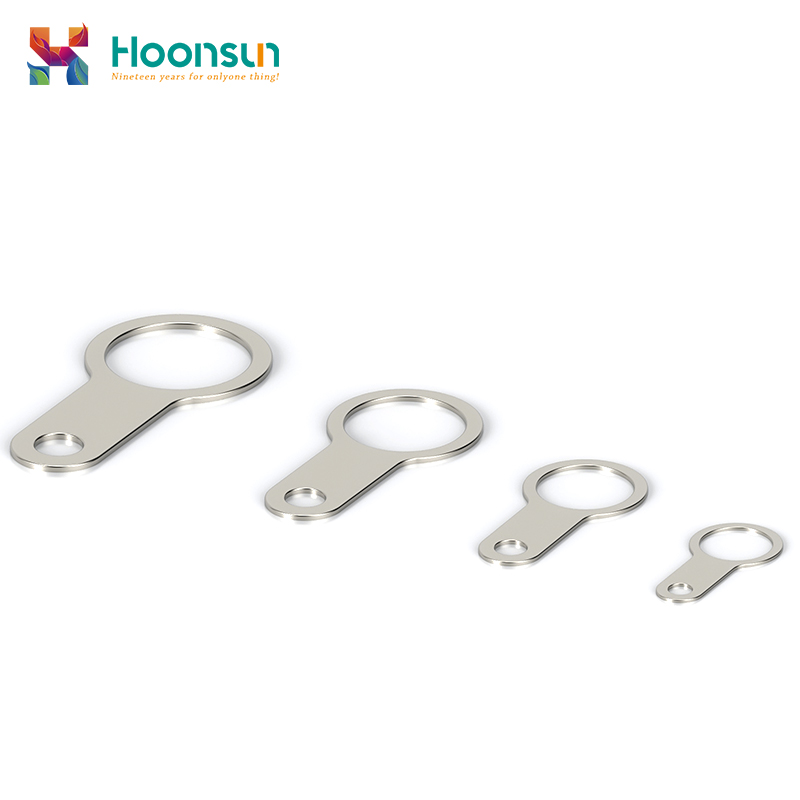
Grounding Plate
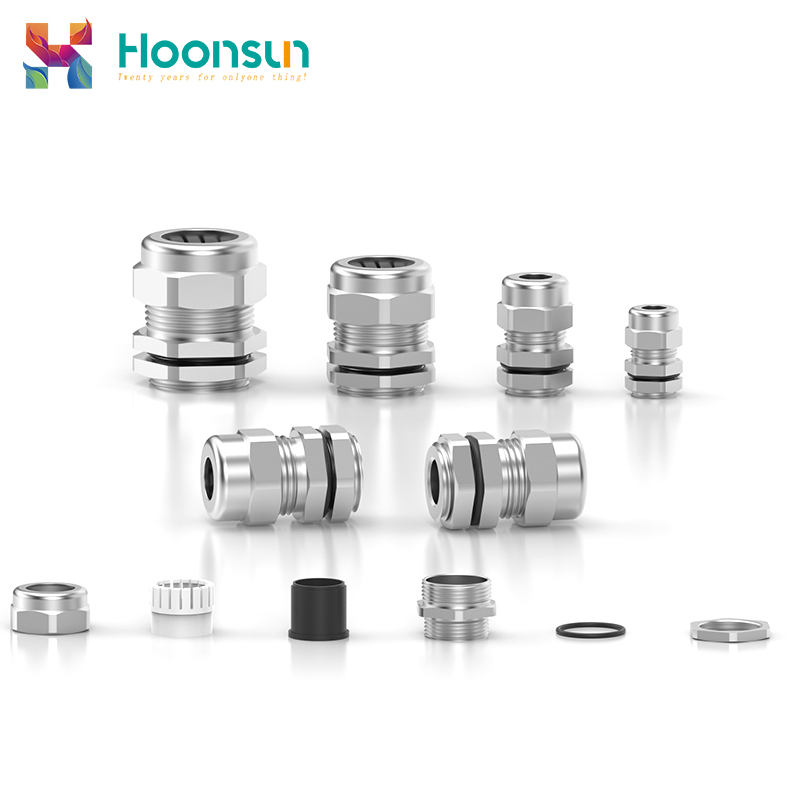
Ss cable gland is one type of metallic cable gland with IP68 and IP69K up to 10bar waterproof function, high temp withstanding could up to 150℃. The size of the ss cable gland is ranging from M8 to M100, it is normally used in hazardous areas because of the superior explosion-proof and corrosion resistance performance.
SS cable glands also used widely in modular entry systems, beverage industry, food manufacturing industry, etc.
Ss cable gland provides high-grade cable strain relief needs and protection against harsh environmental influence. Stainless steel cable glands applied widely in industries range such as renewable energy, industrial automation, outdoor lighting, and communication base stations. It could enforce the whole system and protect the infrastructure from damage, providing strain relief for applications.
Harsh wash downs, microbes, and bacteria will be resisted to ensure your production line working in a normal state, so the Food & Beverage industry adopts so stainless steel material cable gland as SS304, SS316, and SS316L.
SS cable gland made of stainless steel 304 and 316L material, because of their anti-corrosion property is especially stronger than other types of metal, such as brass cable gland, so ss stainless steel cable gland applied as marine waterproof cable gland.
Ss cable gland has all kinds of thread types such as Metric, PG, NPT, and is available with short and long thread entry. Our ss stainless steel cable gland is very cost-effective and also perform in reliability, durability, and performance.
PG63 cable gland is made of the material in SS304 and SS316L stainless steel, the hole size designed as 72.2mm with cable diameter size clamping range from 42-52mm.
The IP68 waterproof protection degree ensures the cable gland providing wonderful sealing against the dust and water to keep the throughout electrical cables remain characteristic permanently.
Stainless steel cable gland has big advantages against the brass cable gland:
1.Stainless steel cable gland without any lead, which is hard for body health. If the cable gland used underwater which is for human life, stainless steel material is your best choice.
2. Stainless steel cable gland will never rust after many years of usage with beautiful and durable characteristics, it is much hard than brass cable gland and never be out of shape.
Ss cable gland is one type of metallic cable gland with IP68 and IP69K up to 10bar waterproof function, high temp withstanding could up to 150℃. The size of the ss cable gland is ranging from M8 to M100, it is normally used in hazardous areas because of the superior explosion-proof and corrosion resistance performance.
SS cable glands also used widely in modular entry systems, beverage industry, food manufacturing industry, etc.
Ss cable gland provides high-grade cable strain relief needs and protection against harsh environmental influence. Stainless steel cable glands applied widely in industries range such as renewable energy, industrial automation, outdoor lighting, and communication base stations. It could enforce the whole system and protect the infrastructure from damage, providing strain relief for applications.
Harsh wash downs, microbes, and bacteria will be resisted to ensure your production line working in a normal state, so the Food & Beverage industry adopts so stainless steel material cable gland as SS304, SS316, and SS316L.
SS cable gland made of stainless steel 304 and 316L material, because of their anti-corrosion property is especially stronger than other types of metal, such as brass cable gland, so ss stainless steel cable gland applied as marine waterproof cable gland.
Ss cable gland has all kinds of thread types such as Metric, PG, NPT, and is available with short and long thread entry. Our ss stainless steel cable gland is very cost-effective and also perform in reliability, durability, and performance.
PG48 cable gland is normally acting as a connector for fixing the electrical cables underwater to ensure avoiding the leakage of the water into equipment inner.
PG48 cable gland has the outstanding sealing function with IP68 & IP69K protection degree in 20 bar pressure, so it could provide a perfect sealing function to ensure the cables connection.
PG48 cable gland is usually used in the telecommunication cables underwater for digital signal transmission, sometimes under the sea. Because the raw material is made of stainless steel 316L, it has ideal corrosion resistant function, you should not worry about any weak acid or weak base water damage the cable gland forever.
PG48 cable gland cramping cable range: 37-44mm or 29-35mm
PG48 cable gland thread size of length: 14 or 10
PG48 cable gland combined length AG: 38
PG48 cable gland spanner size: 65mm or 64mm
PG48 cable gland AG: 59.3mm
Ss cable gland is one type of metallic cable gland with IP68 and IP69K up to 10bar waterproof function, high temp withstanding could up to 150℃. The size of the ss cable gland is ranging from M8 to M100, it is normally used in hazardous areas because of the superior explosion-proof and corrosion resistance performance.
SS cable glands also used widely in modular entry systems, beverage industry, food manufacturing industry, etc.
Ss cable gland provides high-grade cable strain relief needs and protection against harsh environmental influence. Stainless steel cable glands applied widely in industries range such as renewable energy, industrial automation, outdoor lighting, and communication base stations. It could enforce the whole system and protect the infrastructure from damage, providing strain relief for applications.
Harsh wash downs, microbes, and bacteria will be resisted to ensure your production line working in a normal state, so the Food & Beverage industry adopts so stainless steel material cable gland as SS304, SS316, and SS316L.
SS cable gland made of stainless steel 304 and 316L material, because of their anti-corrosion property is especially stronger than other types of metal, such as brass cable gland, so ss stainless steel cable gland applied as marine waterproof cable gland.
Ss cable gland has all kinds of thread types such as Metric, PG, NPT, and is available with short and long thread entry. Our ss stainless steel cable gland is very cost-effective and also perform in reliability, durability, and performance.
PG36 industrial cable gland means the cable glands designed in PG thread with the hole in 47mm dimensions size. The cable gland provides wonderful strain relief with IP68 protection grade against water and dust in industrial applications such as automation, new energy, photovoltaic technology etc..
PG36 industrial cable gland has high oil resistance and high-temperature resistance functions which ensure the cable gland working perfectly in the hazardous area for a long time.
The raw material could be many types of metal such as stainless steel and brass, especially ss304 and ss316 stainless steel cable gland, it has outstanding chemical resistant characteristic against acidic and alkaline elements.
PG36 industrial cable gland cramping cable range: 25-33mm or 20-26mm
PG36 industrial cable gland thread size of length: 10 or 8
PG36 industrial cable gland combined length AG: 35
PG36 industrial cable gland spanner size: 50mm
PG36 industrial cable gland AG: 47mm
Ss cable gland is one type of metallic cable gland with IP68 and IP69K up to 10bar waterproof function, high temp withstanding could up to 150℃. The size of the ss cable gland is ranging from M8 to M100, it is normally used in hazardous areas because of the superior explosion-proof and corrosion resistance performance.
SS cable glands also used widely in modular entry systems, beverage industry, food manufacturing industry, etc.
Ss cable gland provides high-grade cable strain relief needs and protection against harsh environmental influence. Stainless steel cable glands applied widely in industries range such as renewable energy, industrial automation, outdoor lighting, and communication base stations. It could enforce the whole system and protect the infrastructure from damage, providing strain relief for applications.
Harsh wash downs, microbes, and bacteria will be resisted to ensure your production line working in a normal state, so the Food & Beverage industry adopts so stainless steel material cable gland as SS304, SS316, and SS316L.
SS cable gland made of stainless steel 304 and 316L material, because of their anti-corrosion property is especially stronger than other types of metal, such as brass cable gland, so ss stainless steel cable gland applied as marine waterproof cable gland.
Ss cable gland has all kinds of thread types such as Metric, PG, NPT, and is available with short and long thread entry. Our ss stainless steel cable gland is very cost-effective and also perform in reliability, durability, and performance.
PG29 single compression cable gland designed in PG thread with the hole dimensions 37mm size, when you tighten the cable gland, the compression only effected on one side of cable armoured place only. That’s the main difference between double compression cable gland, which causes the compression in both the armour and the inner sheath.
PG29 single compression cable gland offers a sealed point of contact for cables and wiring to enter an equipment housing without carrying any damaging elements into equipment inner.
IP68 &IP69K waterproof degree is available for PG29 cable gland and could be customized made bear 20 bars pressure underwater reach 30 metres.
PG29 single compression cable gland cramping cable range: 18-25mm or 13-20mm
PG29 single compression cable gland thread size of length: 10 or 8
PG29 single compression cable gland combined length AG: 29
PG29 single compression cable gland spanner size: 40mm
PG29 single compression cable gland AG: 37mm
Ss cable gland is one type of metallic cable gland with IP68 and IP69K up to 10bar waterproof function, high temp withstanding could up to 150℃. The size of the ss cable gland is ranging from M8 to M100, it is normally used in hazardous areas because of the superior explosion-proof and corrosion resistance performance.
SS cable glands also used widely in modular entry systems, beverage industry, food manufacturing industry, etc.
Ss cable gland provides high-grade cable strain relief needs and protection against harsh environmental influence. Stainless steel cable glands applied widely in industries range such as renewable energy, industrial automation, outdoor lighting, and communication base stations. It could enforce the whole system and protect the infrastructure from damage, providing strain relief for applications.
Harsh wash downs, microbes, and bacteria will be resisted to ensure your production line working in a normal state, so the Food & Beverage industry adopts so stainless steel material cable gland as SS304, SS316, and SS316L.
SS cable gland made of stainless steel 304 and 316L material, because of their anti-corrosion property is especially stronger than other types of metal, such as brass cable gland, so ss stainless steel cable gland applied as marine waterproof cable gland.
Ss cable gland has all kinds of thread types such as Metric, PG, NPT, and is available with short and long thread entry. Our ss stainless steel cable gland is very cost-effective and also perform in reliability, durability, and performance.
PG cable gland full form name is Panzergewinde cable gland, PG25 clamping ranges for the electrical cables are available in 16-21mm and 13-18mm, the hole dimension size is designed in 35mm for the cables throughout.
PG25 stuffing cable gland normally used at the end of the unarmored cable to ensure the solid connection with IP68 protection degree. It’s important to provide the correct seal to the cables to prevent corrosion in the cables, and correct cable glands could also provide you with a stable electrical connection of your devices.
PG25 stuffing cable gland as great advantages as follows: superior strain relief, variable clamping ranges, chemical resistance, mechanical resistance, high-temperature resistance etc., these characteristics ensure PG25 stuffing cable gland ideal for machine and equipment manufacturing and automation system.
PG25 stuffing cable gland cramping cable range: 15-22mm or 16-20mm
PG25 stuffing cable gland thread size: 10
PG25 stuffing cable gland combined length AG: 29
PG25 stuffing cable gland spanner size: 35mm
PG25 cable gland AG: 32mm
Ss cable gland is one type of metallic cable gland with IP68 and IP69K up to 10bar waterproof function, high temp withstanding could up to 150℃. The size of the ss cable gland is ranging from M8 to M100, it is normally used in hazardous areas because of the superior explosion-proof and corrosion resistance performance.
SS cable glands also used widely in modular entry systems, beverage industry, food manufacturing industry, etc.
Ss cable gland provides high-grade cable strain relief needs and protection against harsh environmental influence. Stainless steel cable glands applied widely in industries range such as renewable energy, industrial automation, outdoor lighting, and communication base stations. It could enforce the whole system and protect the infrastructure from damage, providing strain relief for applications.
Harsh wash downs, microbes, and bacteria will be resisted to ensure your production line working in a normal state, so the Food & Beverage industry adopts so stainless steel material cable gland as SS304, SS316, and SS316L.
SS cable gland made of stainless steel 304 and 316L material, because of their anti-corrosion property is especially stronger than other types of metal, such as brass cable gland, so ss stainless steel cable gland applied as marine waterproof cable gland.
Ss cable gland has all kinds of thread types such as Metric, PG, NPT, and is available with short and long thread entry. Our ss stainless steel cable gland is very cost-effective and also perform in reliability, durability, and performance.
PG21 electrical cable gland designed in 28.3mm hole size of PG thread for electrical cable clamping with IP68 waterproof degree. When carrying out PG21 electrical cable glands installation, the entry cables dimension must in the clamping range of 13-18mm or 9-16mm size.
PG21 electrical cable gland sometimes installed with PG21 conduit which is the same size in mm, it could provide ideal strain relief and keep the conduit entry into the equipment inner space the same characteristic.
PG21 electrical cable gland has the advantages as follows: Hight temperature resistance, chemical resistance, superior strain relief, high oil resistance and variable clamping ranges etc.
PG21 electrical cable gland cramping cable range: 13-18mm or 9-16mm
PG21 electrical cable gland thread size: 9
PG21 electrical cable gland combined length AG: 25
PG21 electrical cable gland spanner size: 30mm
PG21 cable gland AG: 28.3mm
Ss cable gland is one type of metallic cable gland with IP68 and IP69K up to 10bar waterproof function, high temp withstanding could up to 150℃. The size of the ss cable gland is ranging from M8 to M100, it is normally used in hazardous areas because of the superior explosion-proof and corrosion resistance performance.
SS cable glands also used widely in modular entry systems, beverage industry, food manufacturing industry, etc.
Ss cable gland provides high-grade cable strain relief needs and protection against harsh environmental influence. Stainless steel cable glands applied widely in industries range such as renewable energy, industrial automation, outdoor lighting, and communication base stations. It could enforce the whole system and protect the infrastructure from damage, providing strain relief for applications.
Harsh wash downs, microbes, and bacteria will be resisted to ensure your production line working in a normal state, so the Food & Beverage industry adopts so stainless steel material cable gland as SS304, SS316, and SS316L.
SS cable gland made of stainless steel 304 and 316L material, because of their anti-corrosion property is especially stronger than other types of metal, such as brass cable gland, so ss stainless steel cable gland applied as marine waterproof cable gland.
Ss cable gland has all kinds of thread types such as Metric, PG, NPT, and is available with short and long thread entry. Our ss stainless steel cable gland is very cost-effective and also perform in reliability, durability, and performance.
PG19 cable gland designed for the electrical cable size ranging from 10-14mm, thread O.D in 25mm, thread length in 9mm( it could be customized by your special requirement), spanner size 24/27mm.
PG19 cable gland has IP68 waterproof rating, which means this cable gland could withstand immersion in water deeper than 1 meter and more than 10 bar pressure, high-quality claw and seal ensure the waterproof function.
The raw material of the PG19 cable gland could be made of brass or stainless steel, the electrical cable can be inserted through directly then tighten easily. No need for disassembly.
PG19 cable gland cramping cable range: 10-14mm
PG19 cable gland AG(thread O.D.): 25mm
PG19 cable gland spanner size: 24/27mm
PG19 cable gland AG: 22.5mm
Ss cable gland is one type of metallic cable gland with IP68 and IP69K up to 10bar waterproof function, high temp withstanding could up to 150℃. The size of the ss cable gland is ranging from M8 to M100, it is normally used in hazardous areas because of the superior explosion-proof and corrosion resistance performance.
SS cable glands also used widely in modular entry systems, beverage industry, food manufacturing industry, etc.
Ss cable gland provides high-grade cable strain relief needs and protection against harsh environmental influence. Stainless steel cable glands applied widely in industries range such as renewable energy, industrial automation, outdoor lighting, and communication base stations. It could enforce the whole system and protect the infrastructure from damage, providing strain relief for applications.
Harsh wash downs, microbes, and bacteria will be resisted to ensure your production line working in a normal state, so the Food & Beverage industry adopts so stainless steel material cable gland as SS304, SS316, and SS316L.
SS cable gland made of stainless steel 304 and 316L material, because of their anti-corrosion property is especially stronger than other types of metal, such as brass cable gland, so ss stainless steel cable gland applied as marine waterproof cable gland.
Ss cable gland has all kinds of thread types such as Metric, PG, NPT, and is available with short and long thread entry. Our ss stainless steel cable gland is very cost-effective and also perform in reliability, durability, and performance.
PG16 cable gland connectors designed with the PG thread and the hole dimensions size in 22.5mm, it meets IP68 waterproof protection degree and resistant to avoid liquid acid. The advanced compact size design of PG16 cable gland connectors is the best solution for the installation in a narrow space.
PG16 cable gland connector provides excellent strain relief and connects suitable cable types as described, so it acted as a mechanical cable entry devices installation in a wide range of industries.
PG16 cable gland connector usually designed by many types of material made of metal, such called as stainless steel cable gland and brass cable gland which could provide wonderful sealing function and ensure the characteristic of the cable enters can be maintained adequately.
PG16 cable gland cramping cable range: 10-14mm or 7-12mm
PG16 cable gland thread size: 8 or 6.5
PG16 cable gland combined length AG: 23
PG16 cable gland spanner size: 24mm
PG16 cable gland AG: 22.5mm

Ss cable gland is one type of metallic cable gland with IP68 and IP69K up to 10bar waterproof function, high temp withstanding could up to 150℃. The size of the ss cable gland is ranging from M8 to M100, it is normally used in hazardous areas because of the superior explosion-proof and corrosion resistance performance.
SS cable glands also used widely in modular entry systems, beverage industry, food manufacturing industry, etc.
Ss cable gland provides high-grade cable strain relief needs and protection against harsh environmental influence. Stainless steel cable glands applied widely in industries range such as renewable energy, industrial automation, outdoor lighting, and communication base stations. It could enforce the whole system and protect the infrastructure from damage, providing strain relief for applications.
Harsh wash downs, microbes, and bacteria will be resisted to ensure your production line working in a normal state, so the Food & Beverage industry adopts so stainless steel material cable gland as SS304, SS316, and SS316L.
SS cable gland made of stainless steel 304 and 316L material, because of their anti-corrosion property is especially stronger than other types of metal, such as brass cable gland, so ss stainless steel cable gland applied as marine waterproof cable gland.
Ss cable gland has all kinds of thread types such as Metric, PG, NPT, and is available with short and long thread entry. Our ss stainless steel cable gland is very cost-effective and also perform in reliability, durability, and performance.
The PG9 cable gland connector features a PG thread design and a 15.2mm bore, making it a small stainless steel cable gland connector in our product line. The PG9 waterproof IP 68 cable gland connector is suitable for both 4-8mm and 2-6mm cables, offering excellent cable holding power to firmly clamp the cable, preventing water ingress, and achieving an IP68 protection rating.
The PG9 cable gland connector is widely used in applications requiring the safe passage of cables and wires through enclosures. It is ideally suited for applications in machinery, automation equipment, and new energy systems.
As a professional manufacturer of PG9 cable gland connectors, we offer a 5-year quality guarantee and maintain its IP68 waterproof rating for superior corrosion protection.
PG9 cable gland cramping cable range: 4-8mm or 2-6mm
PG9 cable gland thread size: 7 or 6
PG9 cable gland combined length AG: 20
PG9 cable gland spanner size: 17mm
PG9 cable gland AG: 15.2mm
Our professional team is ready to provide you with prompt and support.

As a trusted cable gland supplier, our connector products serve international markets, including new energy, rail transportation, outdoor lighting, robotics and automation, industrial electrical cable equipment, and computer superservers.
© Copyright 2026 ZHEJIANG HONGXIANG CONNECTOR CO., LTD .