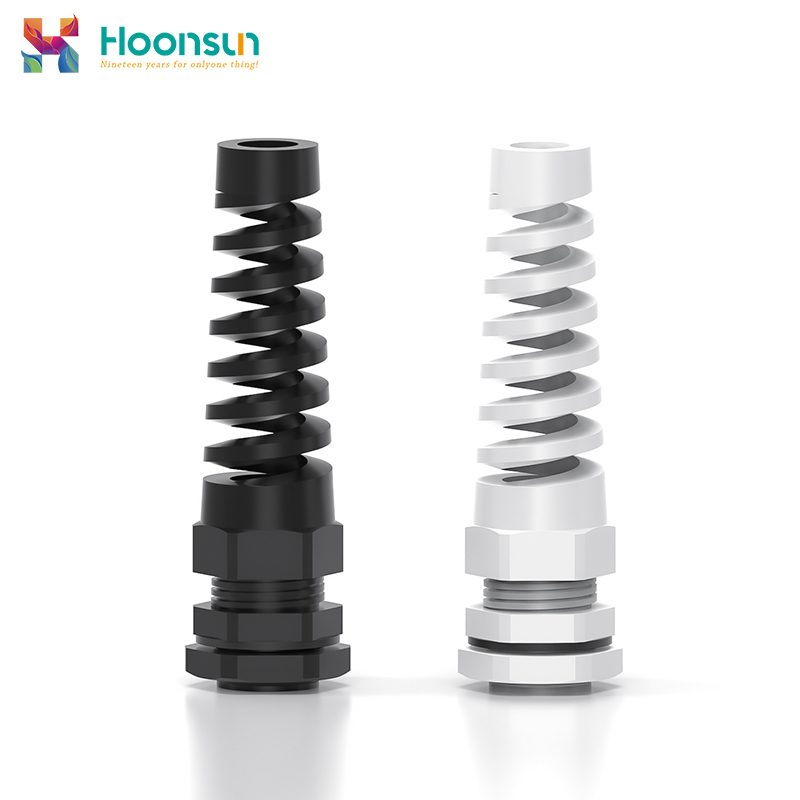




Brass and nylon cable glands can both secure cables and maintain an IP-rated seal, but they behave very differently over time. Heat, chemicals, vibration, UV exposure, corrosion, and mechanical stress all affect how long a gland will perform reliably.
Choosing by price alone can lead to cracked bodies, leaking seals, loose cable retention, and unplanned downtime. For that reason, gland material should be matched to the actual installation environment before the project reaches the purchasing stage.
This guide compares brass and nylon cable glands, where each works best, and what to consider before making a selection.
Where Brass Cable Glands Perform Best
Brass cable glands are the heavy-duty choice for demanding industrial sites. Offshore platforms, shipboard wiring, coastal desalination plants, petrochemical workshops, and outdoor high-voltage distribution cabinets all favor metal glands, and for the same reasons.
A solid brass body shrugs off physical impact, repeated cable pull, and the steady vibration of pumps, generators, and compressors. Conductive brass also provides reliable earth continuity for shielded and steel-wire armoured cables, which is a mandatory safety requirement in industrial power systems. For permanent buried or wall-mounted runs, where a later replacement means shutting down equipment and paying heavy construction costs, metal is the low-risk call.
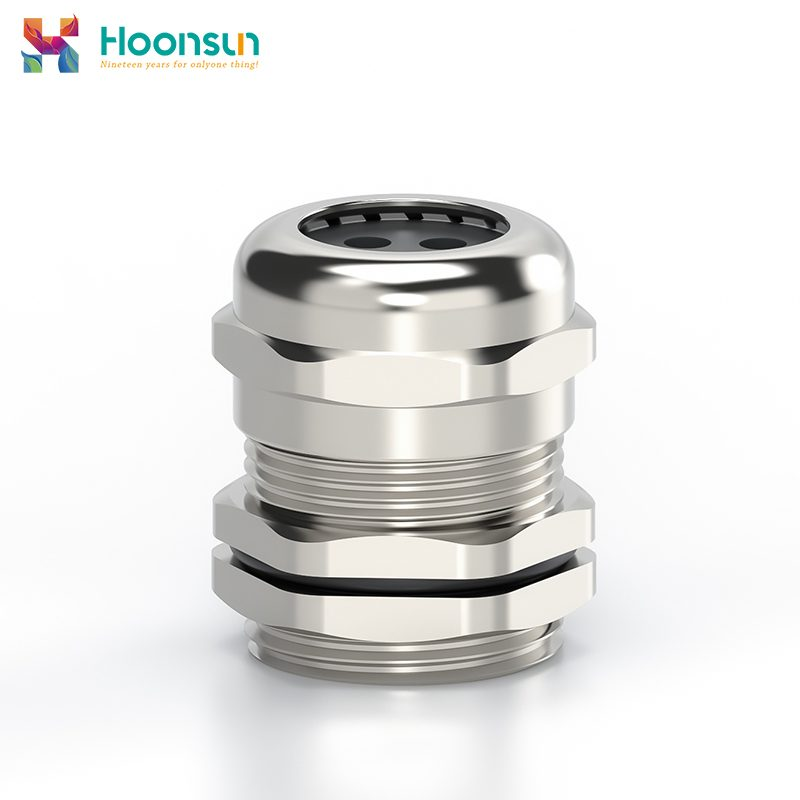
One detail worth checking before you specify brass: the plating. Raw unplated brass survives dry indoor industrial duty, but coastal and chemical environments demand a nickel-plated surface that holds off corrosion on the threads and clamp. When you compare brass cable gland options, confirm the plating grade against the site atmosphere, not just the thread size.