
Request A Quote

What Are Cable Glands Used For?

Author    |    hongxiang_admin    |    May 15, 2026
facebook sharing button
twitter sharing button
line sharing button
wechat sharing button
linkedin sharing button
pinterest sharing button
whatsapp sharing button
telegram sharing button

Cable glands provide a safe and reliable entry point for cables. They prevent cable loosening, protect cable ends from damage, and help maintain the environmental protection of the enclosure. In some installation environments, cable glands also support grounding, shielding, and protection against the intrusion of harmful or explosive gases.

Despite their small size, cable glands play a vital role in electrical safety, system reliability, and long-term equipment performance. For electronic systems that need to operate in harsh industrial environments, cable glands are among the most useful components.

Not all industrial applications require cable glands, but for systems that frequently experience abnormal stress, installing plastic or metal cable glands is essential. These protective products help avoid cost and efficiency losses due to failures and system downtime, and are therefore of invaluable worth.

This article will explore the most common uses of various cable glands, introduce their most prevalent industrial applications, and highlight some of the key advantages cable glands bring to these industries.

What Are Cable Glands?

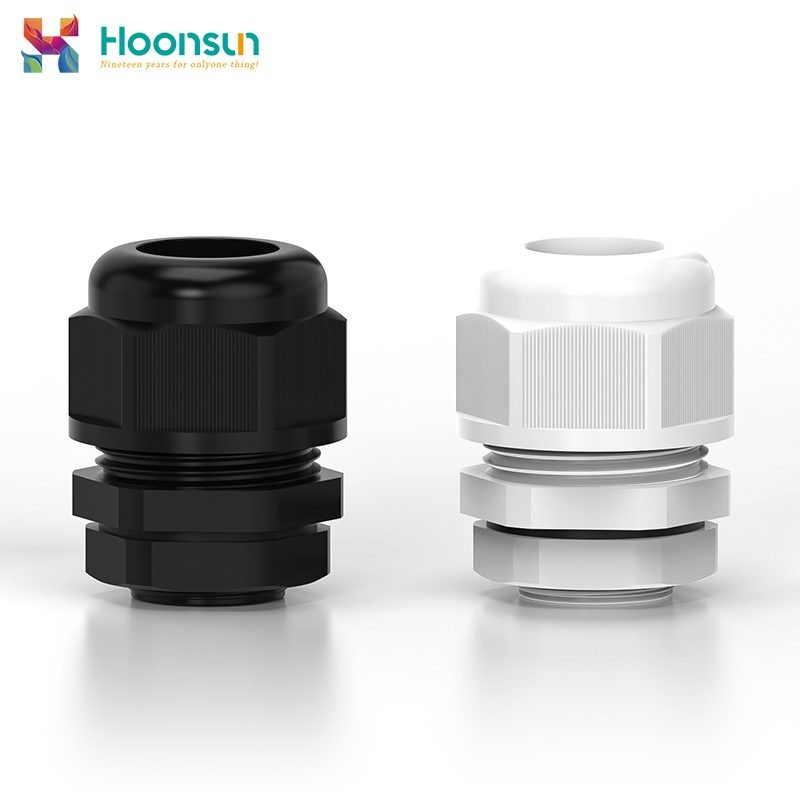
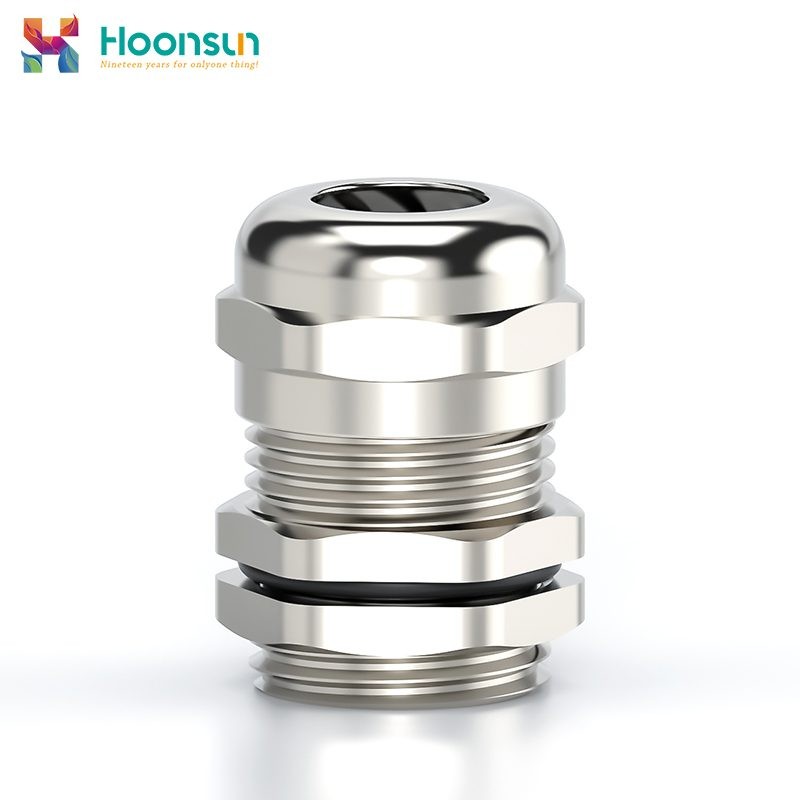
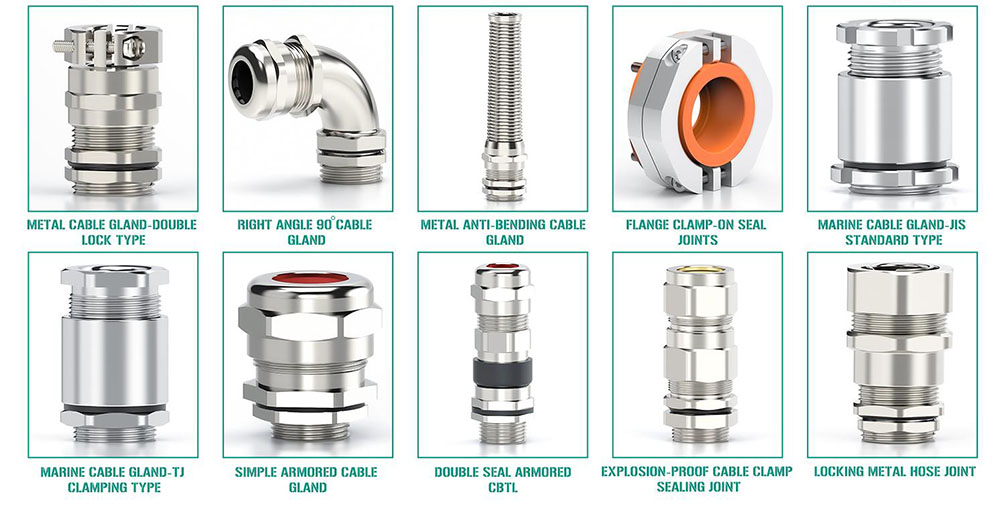
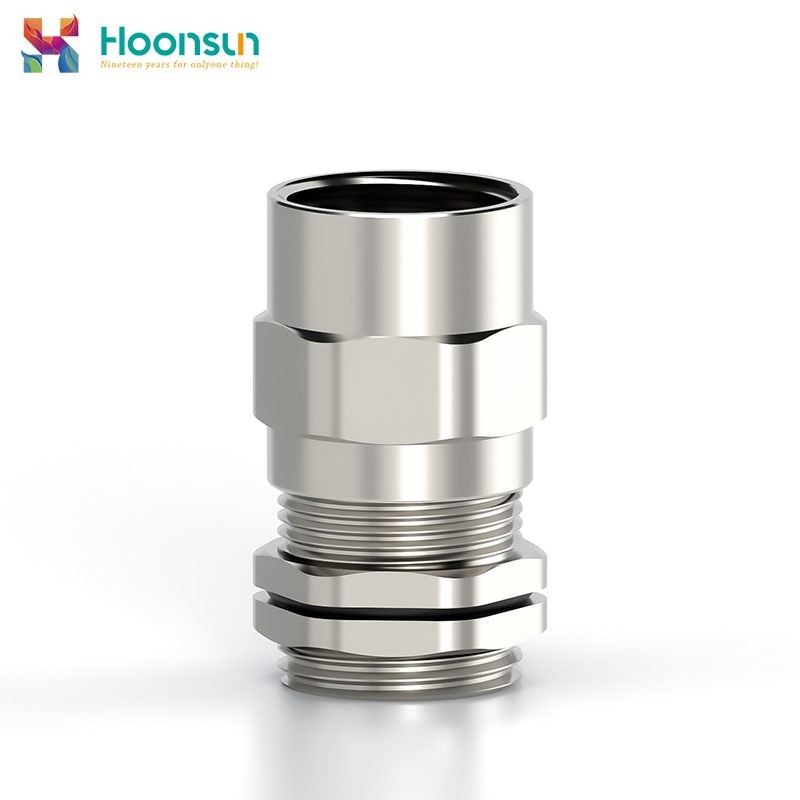
A cable gland is a mechanical cable entry device used to connect and seal the end of a cable to electrical equipment. They are also commonly referred to as cable clamps, cable glands, cable fittings, or mechanical cable entry accessories.

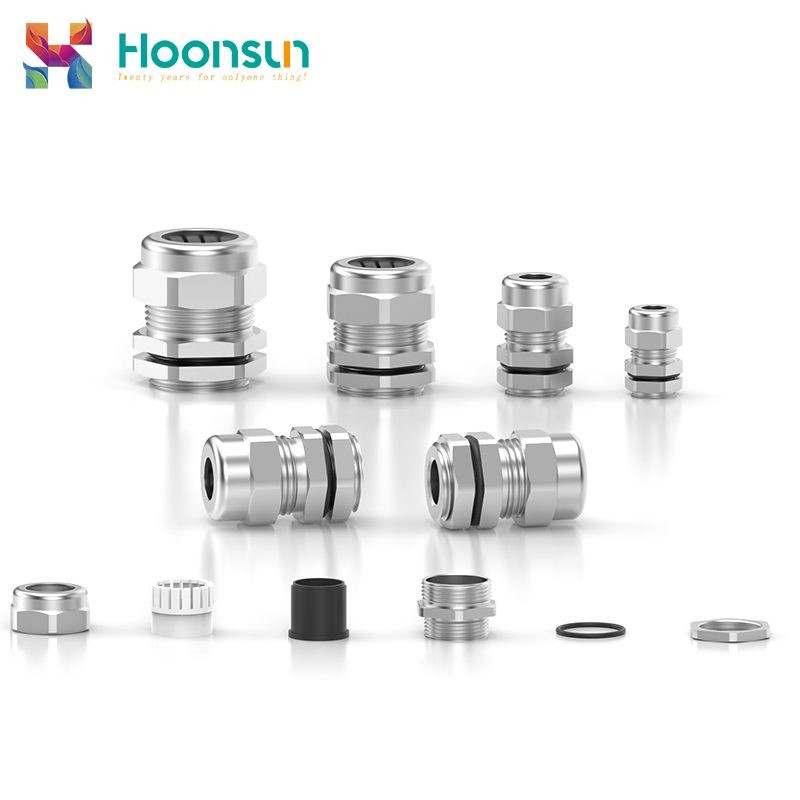
A typical cable gland is installed where the cable passes through a housing wall, panel, body, or junction box. When tightened, it clamps the cable, seals the opening, and protects the cable and equipment from external damage.
Cable Glands

Key Functions and Benefits of Cable Glands

Cable gland are more than just accessories, they are functional safety components used to protect electrical systems from mechanical and environmental risks.

Here are the main functions and benefits of cable glands that help ensure the longevity and reliability of your electrical installations:

Sealing Cable Entry Points: One of the most important functions of a cable gland is sealing. Properly selected cable glands can seal these openings and help maintain the IP protection rating of the enclosure. This is especially important for outdoor equipment, flushing areas, marine systems, underground installations, and dusty industrial environments.

Securing Cables: Cable glands securely hold cables in place, preventing them from moving, twisting, pulling out, or accidentally breaking. Without cable glands, movement or vibration can cause cables to loosen, resulting in unstable electrical connections.

Providing Stress Relief: Cables are frequently subjected to tension, bending, vibration, or repeated movement. Cable glands relieve stress at cable termination points by securely securing the cable. This stress relief helps prevent conductor damage, insulation failure, and premature cable wear. Stress relief is particularly important in machinery, automated systems, transportation equipment, and industrial production lines.

Supporting Grounding and Grounding Continuity: Some cable glands, especially metal glands used with armored cables, help maintain grounding continuity. This is crucial for electrical safety, as proper grounding helps eliminate faults and reduce the risk of electric shock.

Reducing Fire or Explosion Risk in Hazardous Areas: In hazardous environments, cable glands help prevent flammable gases, vapors, or dust from entering electrical enclosures. These glands are commonly used in oil and gas facilities, refineries, chemical plants, mines, and other hazardous industrial locations.

Maintaining Enclosure Performance: Electrical enclosures are designed to protect internal components. However, if not properly sealed, each cable entry point can become a weak point. Cable glands help maintain the intended protection level of the enclosure by sealing cable openings, thus ensuring the long-term reliability of the system.
Common Applications of Cable glands

Cable glands are widely used in numerous industries and environments to ensure the safe and reliable connection of cables to equipment.

Outdoor Electrical Installations

Cable glands are commonly used in outdoor lighting, distribution boxes, solar systems, electric vehicle charging equipment, communication cabinets, and field-installed control panels. These installations are exposed year-round to rain, wind, UV radiation, dust, and temperature variations, so cable glands help protect cable entry points from weather-related damage.

Industrial Machinery and Automation Systems

Factory buildings, production lines, robotic equipment, and automation systems are frequently subjected to vibration, movement, dust, oil, and mechanical stress. Cable glands secure cables and help prevent loose connections or cable failures during continuous operation.

Control Panels and Junction Boxes

Cable glands are widely used in control cabinets, distribution panels, junction boxes, and junction boxes. They help organize cable entry points, protect internal components, and reduce the risk of moisture or dust entering the enclosure.

Marine and Offshore Applications

Marine and offshore environments expose cables to saltwater, moisture, corrosion, vibration, and harsh weather. Cable glands used in these applications must possess strong sealing and corrosion resistance. Brass and stainless steel cable glands are often the preferred choice for these harsh environments.

Hazardous and Explosive Atmospheres

Explosion-proof cable glands are widely used in oil and gas facilities, petrochemical plants, refineries, fuel storage areas, mining operations, and other hazardous locations. These glands help prevent flammable gases or dust from entering electrical equipment and reduce the risk of ignition.

Dusty Industrial Environments

Cable glands are crucial in industries that generate large amounts of dust, such as food processing, woodworking, cement production, mining, packaging, and manufacturing. Sealed cable glands help prevent dust from entering electrical terminals and sensitive components.

Chemical Processing Facilities

In locations where cables may come into contact with solvents, oils, acids, or corrosive substances, cable glands help protect cable ends and electrical housings. Material selection is particularly important in these environments.

Underground and Armored Cable Installations

Armored cable glands are used for armored cables in underground, wall-mounted, and heavy-duty installations. They clamp the armor layer, provide mechanical protection, and provide grounding support when needed.

Telecommunications and Data Systems

Cable glands are used in communication cabinets, data centers, signaling equipment, and network systems. For shielded or braided cables, EMC cable gland can be used to maintain shielding effectiveness and reduce electromagnetic interference.

Transportation and Infrastructure

Railway systems, rolling stock, tunnels, airports, traffic control systems, and infrastructure projects all rely on cable glands to protect electrical connections from vibration, moisture, dust, and mechanical stress.

Food and Beverage Processing

In food and beverage processing plants, electrical equipment may be exposed to humid environments, cleaning chemicals, dust, and frequent washing. Cable glands help seal electrical enclosures and ensure hygienic, reliable operation.

High-Temperature Applications

Some cable installations are located near furnaces, ovens, engines, heaters, or other high-temperature equipment. In such cases, high-temperature resistant cable glands and suitable sealing materials are required to ensure the safe protection of cables in high-temperature environments.

Browse Our Selection of Cable Glands

Stainless Steel Cable Glands

Stainless Steel Cable Glands

Shop our range of stainless steel cable glands, designed for excellent corrosion resistance and reliable performance in harsh environments.

Brass Cable Glands

Brass Cable Glands

Explore our selection of brass cable glands, offering strong durability, secure sealing, and dependable protection for electrical connections.

Nylon Cable Glands

Nylon Cable Glands

Choose from a wide range of nylon cable glands, ideal for lightweight, cost-effective cable protection in various applications.

EMC Cable Glands

EMC Cable Glands

Browse our EMC cable glands, designed to provide secure cable entry while helping reduce electromagnetic interference.

When Are Cable Glands Needed?

Cable glands are needed whenever a cable passes into an enclosure, panel, machine, junction box, or electrical device and the entry point must be sealed, secured, grounded, or protected.

You should consider using a cable gland if:

  • The cable enters an electrical enclosure or control panel.
  • The equipment is installed outdoors or exposed to rain.
  • The cable may be exposed to water, dust, oil, dirt, or chemicals.
  • The cable is subject to vibration, pulling force, or movement.
  • The installation uses armored cable that requires clamping and grounding.
  • The system must maintain an IP-rated enclosure.
  • The environment includes flammable gases, vapors, or combustible dust.
  • The cable must pass through a wall, bulkhead, plate, or enclosure panel.
  • The installation is located in a marine, offshore, industrial, or high-temperature environment.
  • The electrical system must operate for long periods with minimal maintenance.

Cable glands may not be necessary for every low-risk indoor installation, but they are strongly recommended when cables are exposed to environmental stress, mechanical movement, or safety requirements.

Conclusion

Cable glands are used to protect, secure, seal, and support the connection between cables and electrical equipment. They help prevent cable movement, moisture intrusion, dust contamination, corrosion, stress damage, grounding problems, and safety hazards.

Choosing the right cable gland depends on the cable type, material, IP protection rating, environment, grounding requirements, thread type, and installation requirements. Proper selection and installation of cable glands contribute to improved safety, extended equipment life, reduced maintenance, and efficient operation of electrical systems.

FAQs

Q: What are cable glands used for?

Cable glands are used to secure, seal, and protect cables where they enter electrical equipment, enclosures, panels, or junction boxes.

Q: Why are cable glands important?

Cable glands help prevent cable movement, water ingress, dust contamination, strain damage, and electrical connection failure.

Q: Are cable glands waterproof?

Some cable glands are waterproof. Their waterproof performance depends on the IP rating, sealing design, cable size, and correct installation.

Q: Do all cables need cable glands?

Not all cables need cable glands, but they are recommended when cables enter enclosures or are exposed to moisture, dust, vibration, or mechanical stress.

Q: What are the main types of cable glands?

Common cable gland types include brass cable glands, stainless steel cable glands, nylon cable glands, armored cable glands, waterproof cable glands, and EMC cable glands.

Q: How do I choose the right cable gland?

Choose a cable gland based on cable diameter, cable type, thread size, material, IP rating, operating environment, and grounding or EMC requirements.

Q: What is the difference between metal and nylon cable glands?

Metal cable glands offer higher strength, durability, and grounding performance, while nylon cable glands are lightweight, cost-effective, and suitable for general applications.

Q: When are armored cable glands needed?

Armored cable glands are needed when using armored cables that require mechanical clamping, earth continuity, and extra cable protection.

How Can We Help You?

Our professional team is ready to provide you with prompt and support.

logo

As a trusted cable gland supplier, our connector products serve international markets, including new energy, rail transportation, outdoor lighting, robotics and automation, industrial electrical cable equipment, and computer superservers.

© Copyright 2026 ZHEJIANG HONGXIANG CONNECTOR CO., LTD .

+86-577-62628623