Request A Quote

Cable Gland Technical Guide: What You Need To Know?

Author    |    hongxiang_admin    |    December 3, 2025

Cable joints play a crucial role in ensuring the proper functioning of electronic systems in harsh industrial environments. Investing in high-quality cable joints and cable protection products is essential for protecting critical electrical equipment and cable accessories from the effects of harsh environments.

While not every industrial application necessitates the use of cable glands, they prove invaluable in scenarios where systems face exceptional stress regularly. The presence of plastic or metal cable glands can make a significant difference, helping to prevent breakdowns, minimize downtime, and mitigate associated costs.

In the following discussion, we will delve into the common applications of various types of cable glands, shedding light on their widespread use in industrial settings and outlining the key advantages they offer to these sectors.

Cable Gland Technical Guide

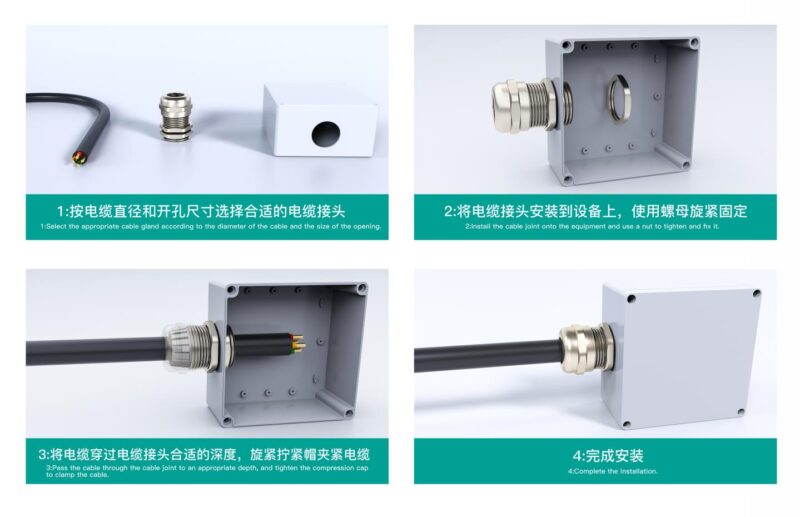
How To Install A Hoonsun Cable Gland?

Choose the Correct Size: 

Select a cable gland with the appropriate diameter and opening size based on the cable you are using.

Attach the Cable Gland:

Install the cable gland onto the equipment, ensuring it fits securely in place. Tighten it using the provided nut to ensure a firm connection.

Insert the Cable: 

Pass the cable through the cable gland until it reaches the required depth. Tighten the clamping cap to firmly secure the cable in place, preventing any movement or strain.

Complete the Installation: 

Once the cable is securely clamped, the installation is complete. Ensure everything is properly tightened and check for stability before use.

How To Install A Hoonsun Cable Gland

Why Cable Gland Matters?

In power distribution systems and many other electrical installations, cables often need to be joined or terminated. A “cable gland” or “termination” is more than just a mechanical connection: it must restore the electrical integrity and insulation of the cable, provide mechanical protection, and ensure environmental sealing. Improper jointing or termination can lead to premature failures, faults, and even safety hazards. Thus, understanding proper cable gland techniques is essential for electrical engineers, technicians, and installers.

Why Cable Gland Matters

What Is Fundamental Roles Of Cable Gland And Termination?

High-quality cable joints or terminations must simultaneously meet the following key functions:

Electrical Integrity: Waterproof Cable Joints

They must restore the cable’s dielectric and conductive properties, ensuring its electrical performance (rated voltage, current capacity, insulation performance) is the same as or close to that of the original cable.

Mechanical Stability: Nickel-Brass Cable Joints

They should provide robust mechanical support to prevent stretching, bending, or external forces, and withstand thermal cycling or mechanical stress during use.

Environmental Sealing and Protection

Cable joint connectors must prevent the ingress of moisture, dust, chemicals, or other contaminants,resist chemical or physical degradation, and maintain long-term reliability even in harsh environments.

Service Life and Safety

Especially in medium-voltage (MV) or high-voltage (HV) systems, joints must withstand stress throughout their service life, resist partial discharge, prevent overheating, and ensure safe grounding when necessary. Given these requirements, cable jointing is not a simple matter of “twisting and wrapping tape”; it requires appropriate materials, tools, procedures, and quality control.

What Is The Function Of A Cable Gland

What Is The Function Of A Cable Gland?

These robust sealing and termination devices find extensive use in various applications, including:

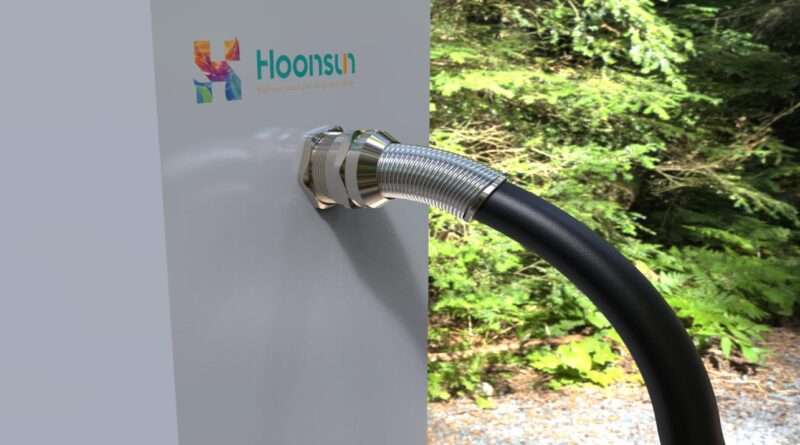
Outdoor Cable Protection

Safeguarding electrical cables laid outdoors, providing crucial environmental protection against rain and adverse weather conditions.

Offshore Applications

Protecting electrical equipment and cables in offshore settings, where regular exposure to water is anticipated.

Hazardous Environments

Deployed in extreme industrial conditions with a risk of explosive or hazardous environments.

Dusty Industrial Settings

Applied in industrial environments generating substantial dust, ensuring electrical equipment remains shielded.

Chemical Exposure Protection

Shielding unprotected or unarmoured cables from exposure to dangerous or corrosive chemicals.

Passing Cabling Through Barriers

Facilitating the passage of cabling through plating and bulkheads, ensuring secure and protected cable entry.

If your application is exposed to any of these risks or necessitates specific requirements, careful consideration of various cable gland types is crucial to ensure optimal security and protection.

For instance, the need for waterproof cable glands arises to counter water ingress, while the choice of metal cable glands crafted from materials like brass, aluminum, or steel ensures robust performance.

Additionally, a range of plastic and rubber protection systems is available. The selection of the appropriate cable gland hinges on the unique environmental conditions in which your business functions.

When Should Cable Glands Be Used?

The advantages of cable glands are widely acknowledged in industries where exposure to environmental elements poses a risk to electrical cables and equipment. This encompasses various sectors such as aerospace, manufacturing, marine, power and utilities, telecommunications, transportation, and food and beverage.

These industries routinely employ both standard cable glands and armored cable glands to safeguard their essential electrical infrastructure from moisture, dirt, dust, and other contaminants.

If you’re contemplating the suitability of a cable gland for safeguarding your electrical connections, consider the following inquiries:

  • Is your electrical equipment situated indoors or outdoors? Is there a possibility that a cable entry point could be exposed to rain, nearby water, or other environmental sources of contamination?
  • Does your configuration necessitate an electrical cable or power system to function reliably in an explosive or hazardous environment, requiring additional environmental sealing?
  • Could your electrical instrumentation be susceptible to dust or moisture without a dedicated sealing and termination device for protection?
  • What is the temperature at the operational site? Is it consistently maintained, or could your electrical equipment be at risk of damage due to excessive heat or cold?
  • Are you managing automation systems that need to operate for extended periods without manual maintenance or cleaning?

What Types Of Cable Glands Are You Interested in?

Single Compression Typically used in buildings and for smaller installations.
Double Compression Mainly employed in power plants and factories where stronger seals are necessary.
These glands feature double sealing and apply double compression at the cable core and on the outer sheathing or armor.
Flexible Hose Utilised in higher-temperature locations.
PVC Typically chosen for control cables connected to instrumentation.

Both single and double-compression cable glands are further categorised into THREE types: Light Duty, Weatherproof, Flameproof.

Threading, the mechanical grooves applied to the nuts or attachments, also varies from gland to gland.

Look for the following standards, each serving different purposes:

ISO Metric Thread A widely used international standard for screw threading.
National Pipe Thread US standard employed for threaded pipes and pipe fittings.

Waterproof Cable Glands

Waterproof cable glands typically feature an IP68 waterproof rating, indicating their capability to withstand immersion in water at depths of one meter or more, in accordance with the International Protection (IP) standard.

Functioning as essential components for facilitating cable connections within electrical enclosures, waterproof cable glands are designed to uphold a watertight seal at the entry point of cables into the enclosure.

These glands commonly consist of a nut and a body, with the option of including a separate gasket or cable seal, or integrating these elements within the gland body itself. Installation entails placing the gland into a circular cutout within the enclosure, securing the enclosure wall between the nut and body to establish the desired watertight seal.

Waterproof cable glands are available in a variety of types, materials, and sizes, offering versatility to accommodate diverse applications and specifications. The IP standard serves as a universally acknowledged benchmark for assessing a product’s resistance to water, dust, and other forms of contamination.

EMC Cable Glands

EMC glands serve to protect both cables and machinery from electromagnetic interference (EMI) that could compromise the functionality of electrical equipment. By acting as a barrier against EMI at the termination point, these glands find common use in telecommunications applications and scenarios where EMI could disrupt machinery.

Metal Cable Glands

Material Characteristic Common Application
Stainless steel Corrosion and pressure resistance Various industrial settings, especially where corrosion is a concern
Aluminum Flexibility
Rust resistance
Excellent conductivity of heat and electricity
Widely used in electrical applications, construction, and industrial settings
Brass Resistance to magnetism
Suitability for both high and low temperatures
Good electrical conductivity
Construction industry, industrial applications

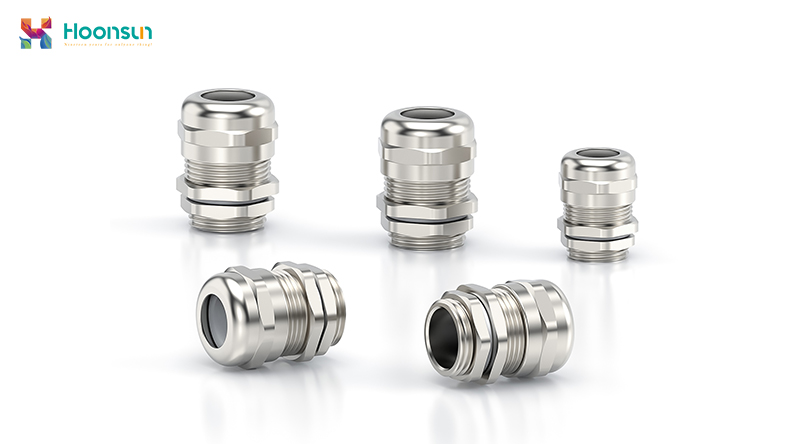
Nickel Brass Cable Gland

Type Characteristic Common Application
Indoor Versatile design for various cable types, including armoured, plastic, and rubber-sheathed Suitable for a range of indoor cable installations
Outdoor Compatible with both plastic or rubber-sheathed and unsheathed cables Used in outdoor cable installations
Straightening Used with both rubber-sheathed and unsheathed cables, applicable indoors and outdoors Helps straighten and secure cables in various settings
Weatherproof Robust design for plastic or rubber-sheathed cables, prioritizing strength and a secure seal Provides strong protection, with a specialized variation for maximum water resistance
Threaded Custom-made glands tailored for specific industrial applications Designed for unique industrial cable requirements
Industrial Primarily used with plastic or rubber-sheathed and armoured cabling Common in industrial settings for various cable types
Rubber Cable Glands Utilizes watertight seals made from synthetic rubber, including Chloroprene for O-rings and Neoprene for washers Enhances cable sealing, preventing water ingress

Where Can I Get Cable Glands?

Cable glands may be small, but their significance resonates across diverse industries such as aerospace, marine, power, telecom, and the industrial sector. Serving as a crucial safety component, these cable fittings play a vital role in various applications.

To ensure optimal performance and alignment with your specific environment, it’s imperative to invest in high-quality designs. You can find the perfect cable glands that are tailored to your needs through Our website.

Conclusion

When choosing a cable gland for your specific needs, consider factors like the type of cable, the environment it will be in, and the materials used. Proper installation and regular maintenance are key for ensuring electrical systems last long and work efficiently.

Investing in high-quality cable glands is crucial for safety and success in various industries, whether it’s on an oil rig, mining site, renewable energy project, or any other industrial setting.

+86-577-62628623