

blog
How to Properly Install Cable Glands?


In modern electrical systems, cable joints play a crucial role in ensuring safe cable connection, environmental sealing, and mechanical stability. Proper installation involves not only correctly connecting components but also maintaining system safety, preventing environmental damage, and ensuring long-term reliability.
The Importance of Proper Installation
Cable joints are used to secure and seal gaps created when cables enter equipment, protecting internal components from dust, moisture, and mechanical stress.
Improper installation can lead to serious problems such as water ingress, electrical faults, and system failure. Even high-quality products can malfunction if improperly installed, highlighting the importance of following established guidelines and best practices.
In industrial environments, incorrect installation can result in downtime, safety hazards, and compliance risks.
Follow Standards and Manufacturer Guidelines
One of the most important principles in cable gland installation is adherence to recognized standards and manufacturer instructions. Installation should always comply with local regulations and approved codes of practice to ensure safety and performance.
Installers should also avoid mixing components from different manufacturers, as this can compromise safety and invalidate certification.
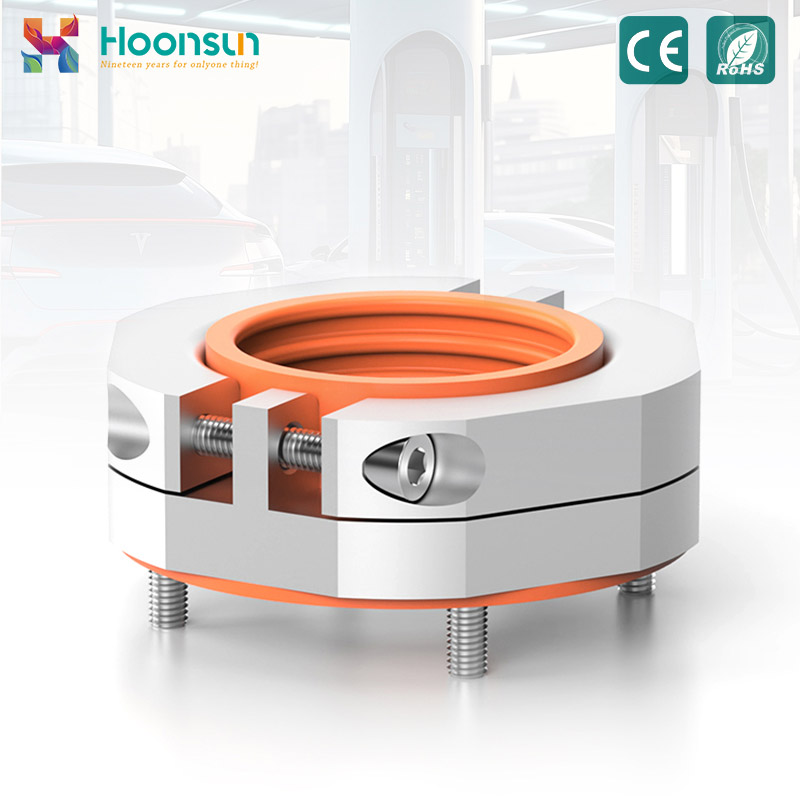 Following documented torque values, seal positioning, and assembly steps ensures that the gland performs as intended and maintains its protection rating over time.
Preparation Before Installation
Successful installation begins with careful preparation. The cable should be inspected to ensure that the outer sheath is clean, smooth, and free from debris. Poor preparation can lead to sealing failure even before installation is complete.
Accurate measurement of cable diameter is essential when selecting the correct gland size. A mismatch can result in weak sealing or excessive strain on the cable.
It is also important to isolate electrical systems before installation. Working on live circuits increases the risk of injury and equipment damage.
Step by Step Installation Process
The installation process should follow a structured approach to ensure consistency and reliability.
First, disassemble the cable gland into its individual components. Insert the cable through each part in the correct order, ensuring proper alignment.
Next, position the sealing elements around the cable and assemble the gland body. Care should be taken to ensure that seals are correctly aligned and not damaged during installation.
Then, tighten the gland using appropriate tools such as a wrench. Applying the correct level of torque is essential to achieve a secure connection without damaging components.
Finally, verify that the gland is firmly secured to the enclosure and that the cable is held in place without excessive movement.
Avoiding Common Installation Mistakes
Many installation failures are caused by avoidable mistakes. One of the most common issues is selecting the wrong gland size or type, which can lead to poor sealing and mechanical instability.
Improper tightening is another frequent problem. Over tightening can damage the cable or gland components, while insufficient tightening can allow water and dust to enter the enclosure.
Ignoring environmental conditions is also a common mistake. Using a gland that is not suitable for the operating environment can lead to corrosion, leakage, or premature failure.
Additionally, poor cable preparation and incorrect handling of sealing components can compromise the entire installation.
Tools and Techniques for Better Results
Using the right tools improves both efficiency and accuracy during installation. Common tools include wrenches, screwdrivers, and measuring instruments.
Torque control tools are particularly important for ensuring consistent tightening. Applying the correct torque helps maintain sealing integrity and prevents damage to both the gland and the cable.
Installers should also ensure that sealing components are handled carefully and kept free from contaminants such as dirt and chemicals, as these can affect performance.
Inspection and Testing After Installation
After installation, a thorough inspection should be carried out. The gland should be checked for proper alignment, secure fastening, and correct seal placement.
Electrical testing is recommended to verify that the connection meets safety requirements and performs as expected.
In applications exposed to moisture or harsh conditions, additional testing may be required to confirm that the sealing performance meets the required protection level.
Maintenance and Long Term Reliability
Cable gland installation does not end with initial assembly. Regular inspection and maintenance are necessary to ensure long term performance.
Environmental factors such as vibration, temperature changes, and chemical exposure can affect sealing components over time. Routine checks help identify wear or loosening before they lead to system failure.
Replacing damaged seals and maintaining proper tightening ensures that the cable gland continues to provide reliable protection throughout its service life.
Conclusion
Effective cable management is a combination of proper selection, thorough preparation, and precise execution. By adhering to industry standards, avoiding common mistakes, and using appropriate tools, installers can ensure secure connections and reliable system performance.
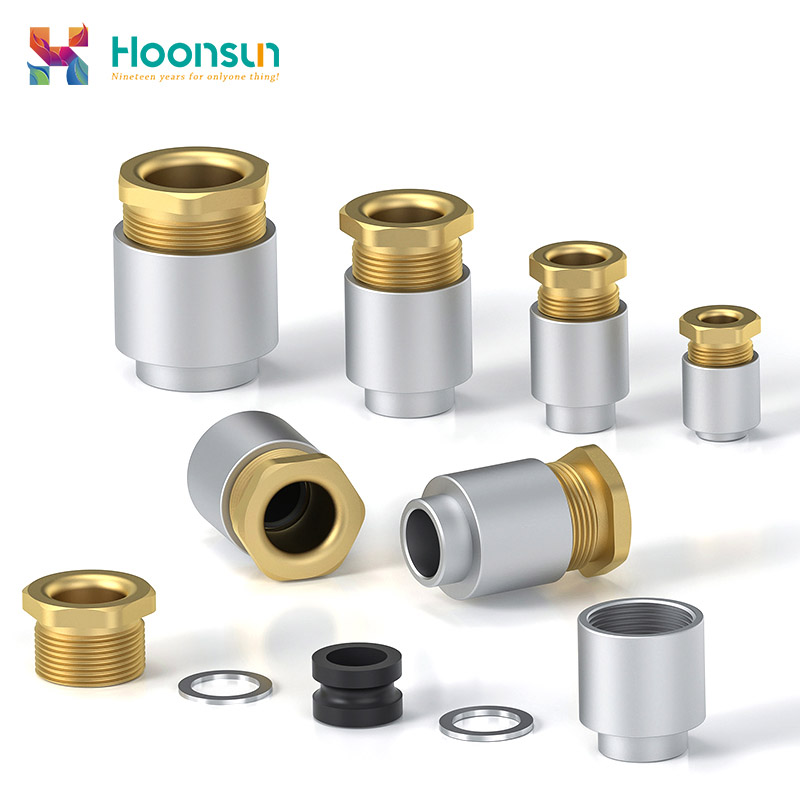 HXCableGland is committed to providing high-quality products and clear installation instructions to help customers achieve safe, efficient, and durable cable management solutions in a variety of applications.
FAQ
1. What are the main causes of cable gland installation failure?
Installation failures typically occur due to incorrect cable gland size, improper cable preparation, or using products that don’t meet safety standards.
2. How do I choose the right gland size?
When purchasing a cable gland, ensure that the gland size matches the outer diameter of the cable. Use accurate measuring tools to determine the cable’s outer diameter and select the appropriate gland size accordingly.
3. Can I use the same cable gland to connect both armored and unarmored cables?
It’s not recommended to use the same cable gland for different types of cables. Armored and unarmored cables have different gland requirements, and mixing them could lead to improper installation or ineffective sealing.
4. Why is it important to properly tighten the gland during installation?
Properly tightening the gland ensures an effective seal, preventing water and dust from entering. Under-tightening can result in a loose connection, while over-tightening may damage the gland or cable.
5. Which materials are most suitable for harsh environments?
For extreme temperatures, chemical exposure, or high humidity, it’s recommended to use materials like stainless steel or specially coated alloys. These materials provide long-lasting protection and resistance to environmental damage.
6. What certifications should cable glands have?
Cable glands should meet relevant industry standards and certifications such as UL, CE, and IP ratings. These certifications ensure the gland’s safety, performance, and compliance with regulatory requirements.
7. Does Exgrip provide certified cable glands?
Yes, Exgrip offers cable glands that comply with multiple international safety standards and certifications, suitable for a wide range of environments and applications.
How Can We Help You?
Our professional team is ready to provide you with prompt and support.

As a trusted cable gland supplier, our connector products serve international markets, including new energy, rail transportation, outdoor lighting, robotics and automation, industrial electrical cable equipment, and computer superservers.
© Copyright 2026 ZHEJIANG HONGXIANG CONNECTOR CO., LTD .